


From “BA” TO “BAT”
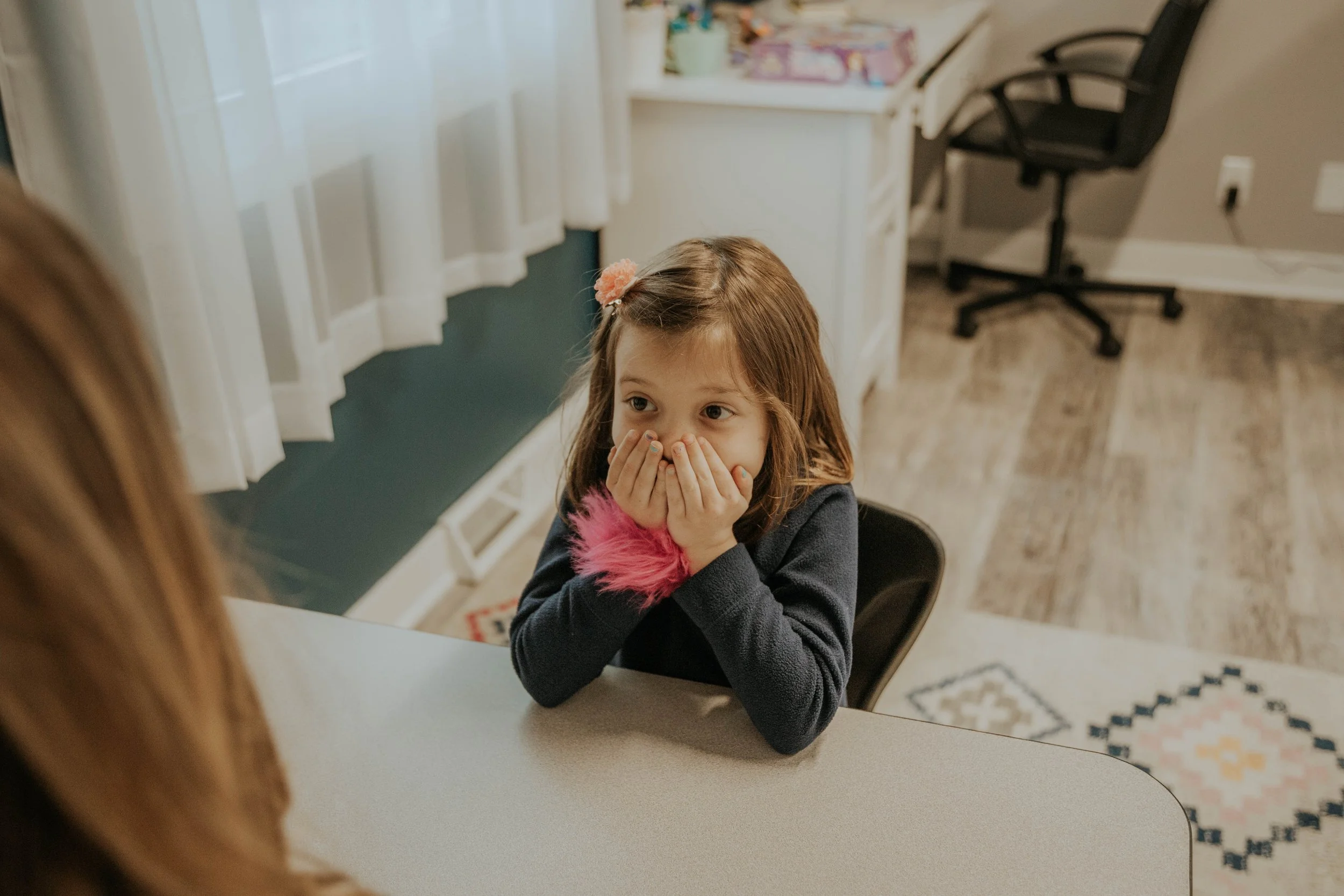
If your child says “ca” instead of “cat” or “ha” instead of “hat,” you’re not imagining things—you’re likely hearing a speech pattern called final consonant deletion.
That simply means the last sound in a word is getting left off. Instead of cat, you hear ca. Instead of dog, you hear do.
For many little ones, this is actually a very normal part of learning to talk.
Building Strong Readers Starts With Listening
When we think about helping kids learn to read, our brains often jump straight to letters: What letter is that? What sound does it make? Letters absolutely matter — but there’s an important skill that comes before reading letters on a page, and it’s one that often gets overlooked.
The1-2-3’s of AAC
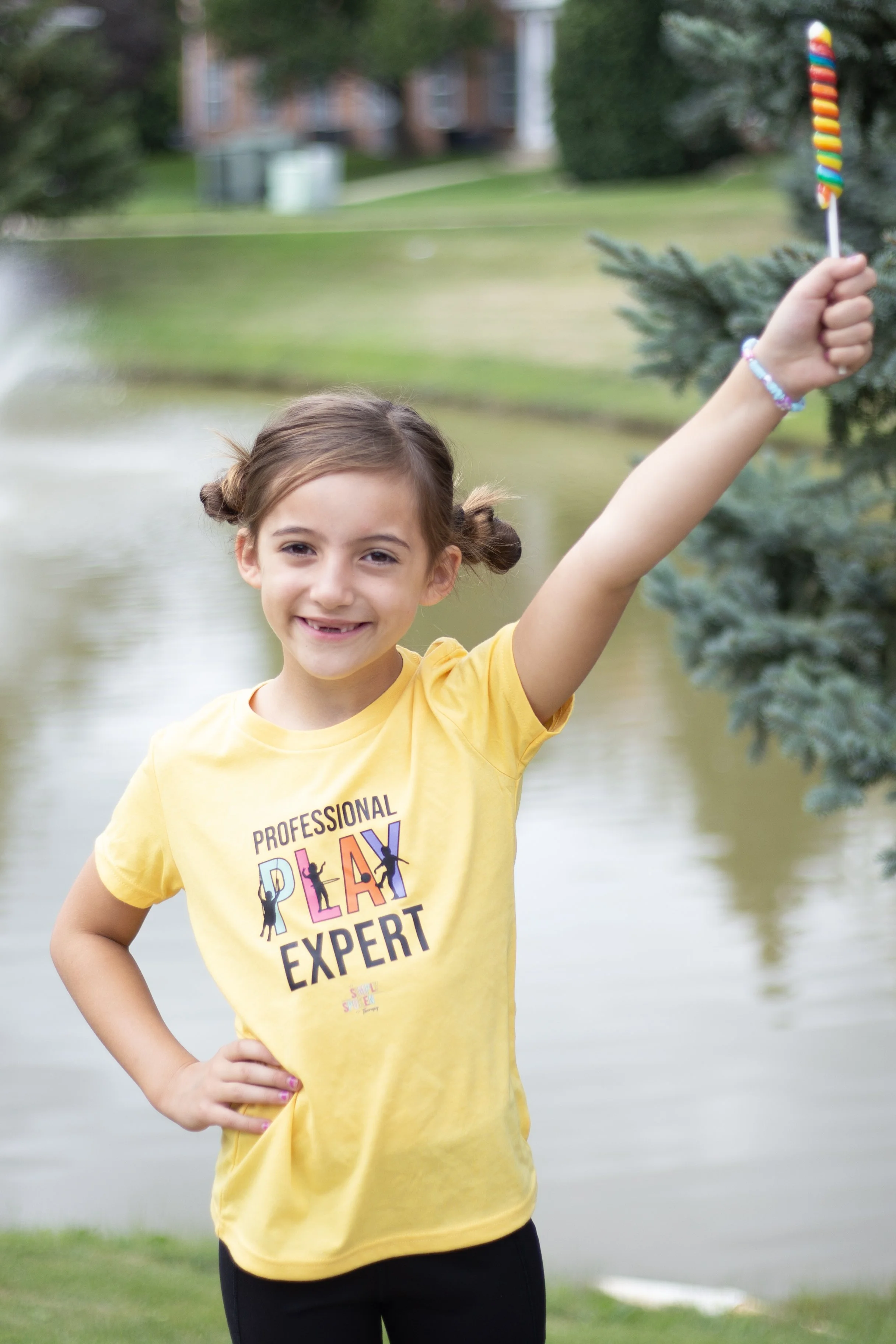
Augmentative and Alternative Communication (AAC) is so much more than a device sitting on a table.
It’s not “just for requesting.”
It’s not a last resort.
It’s not something we wait to introduce until a child is “ready.”
AAC is access to language. It’s connection. It’s autonomy. It’s a way for someone to say, “This is what I’m thinking,” “This is what I need,” or “This is who I am.”
When we talk about AAC the right way, it really comes down to three simple pieces: Access, Modeling, and Meaningful Use.
Let’s break it down.
Why does my child say “tar” for “car”?
If your child says “tar” instead of “car” or “doe” instead of “go,” you might find yourself wondering what’s going on with their speech. These patterns can be confusing — and sometimes a little concerning — for parents. One possible reason for this is something called fronting, which is a common speech pattern seen in young children.
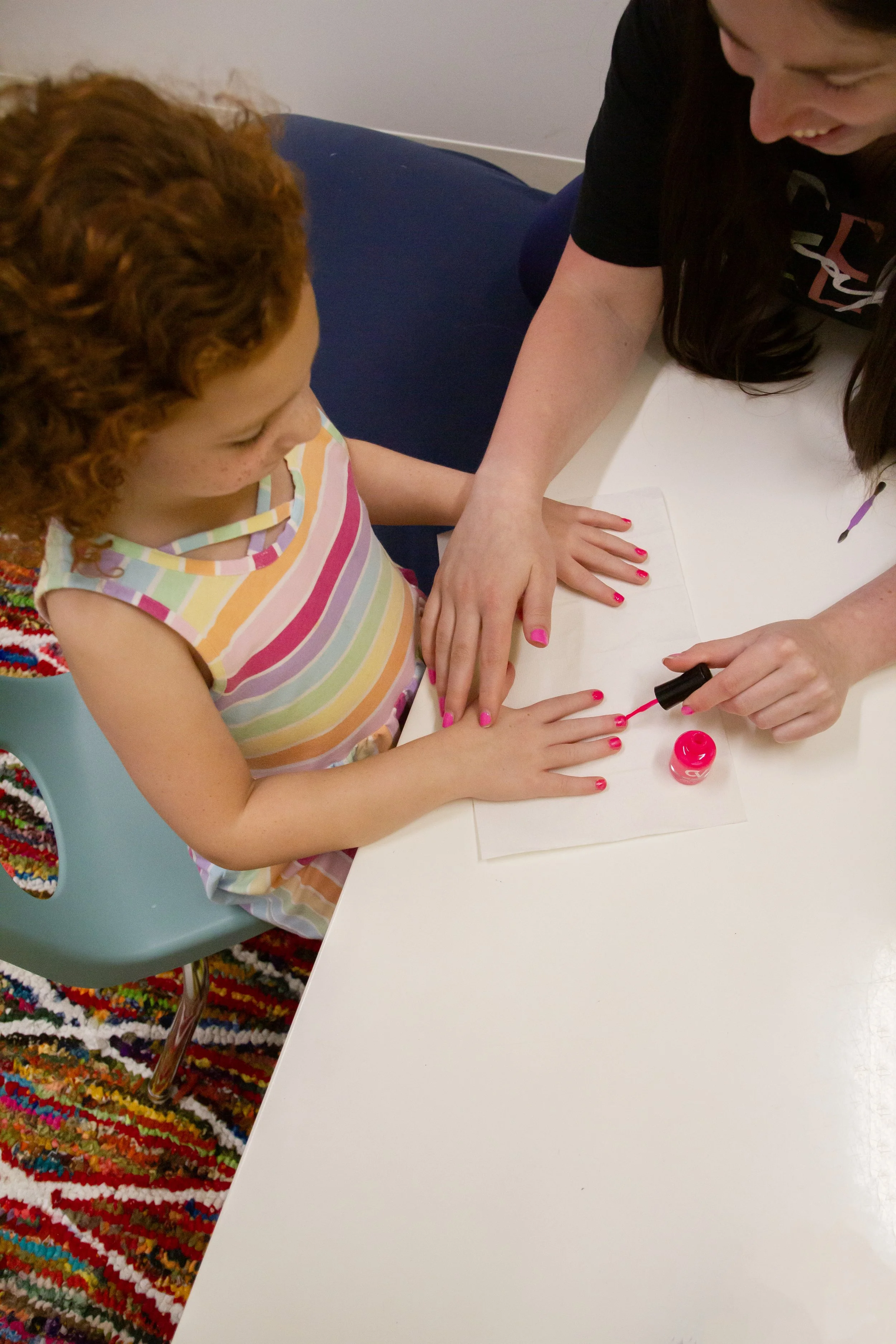
Don’t make me say it!
As a speech therapist, trust me when I say this: I want kids to communicate. For some children, that communication shows up as spoken words. For others, it might look like signs, pictures, gestures, buttons, or a communication device. All of it counts.

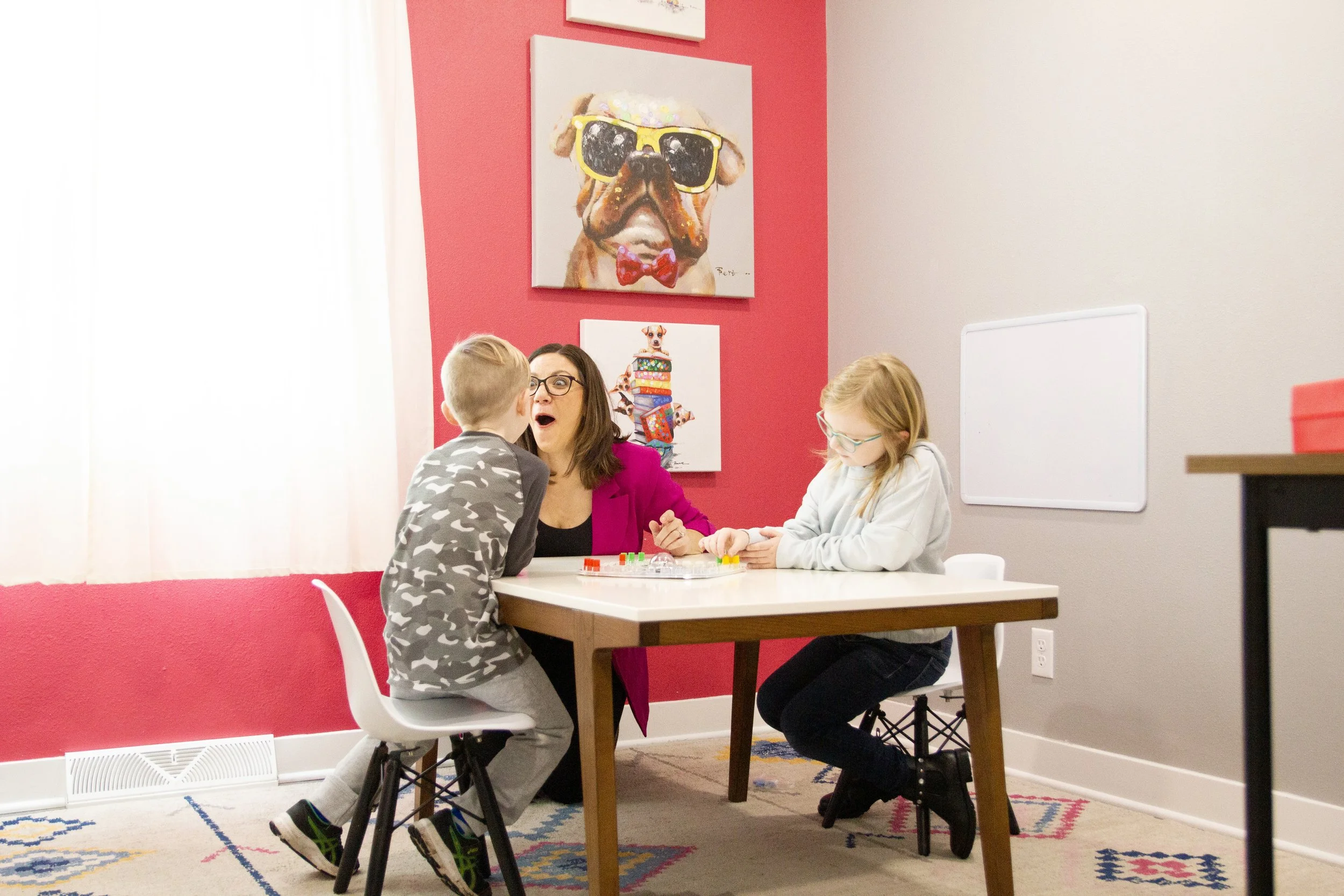
Screening vs. Evaluation - What’s the Difference?
Screening vs. Evaluation - What’s the Difference?
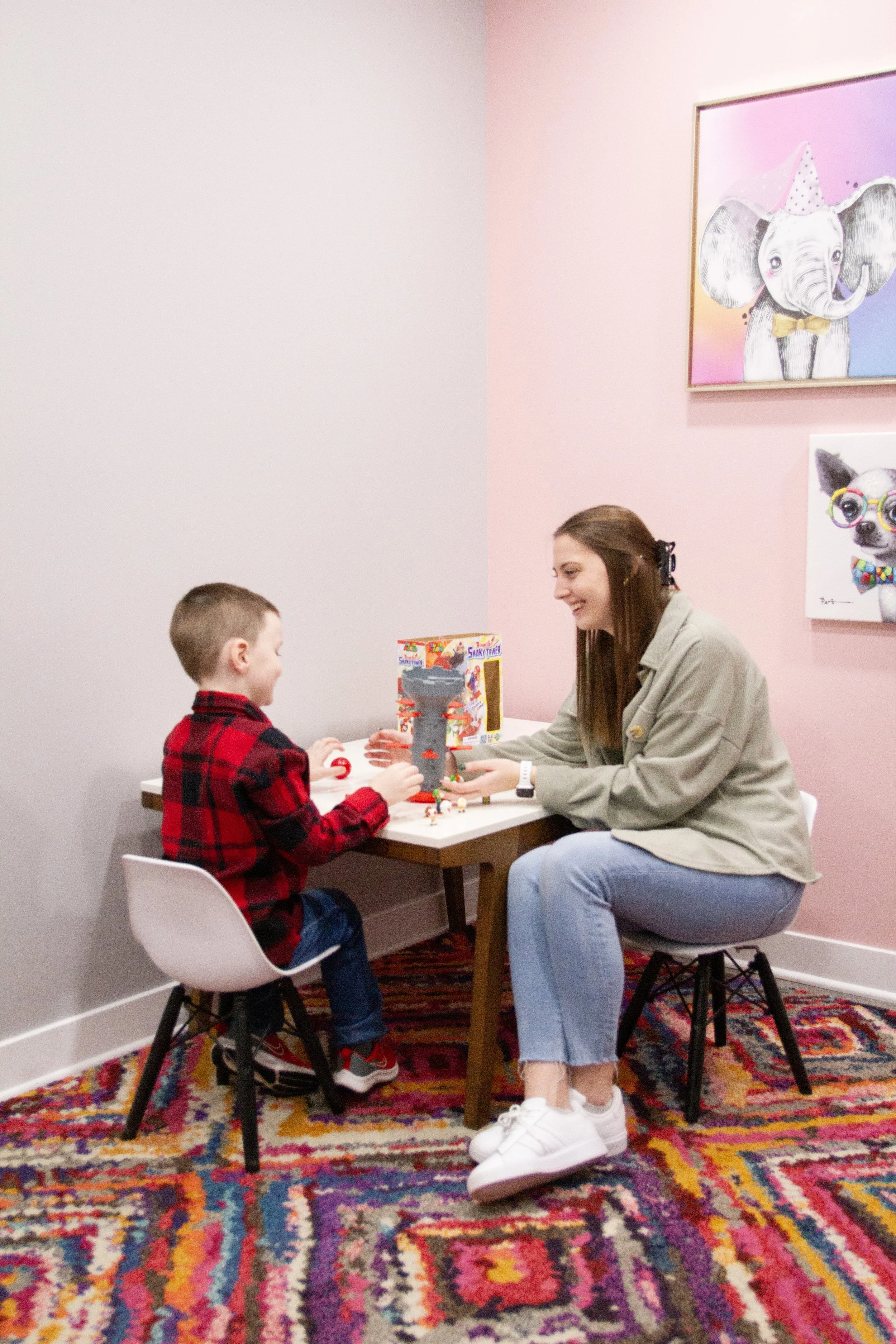
What to Expect from a Speech Therapy Evaluation?
What to Expect from a Speech Therapy Evaluation?
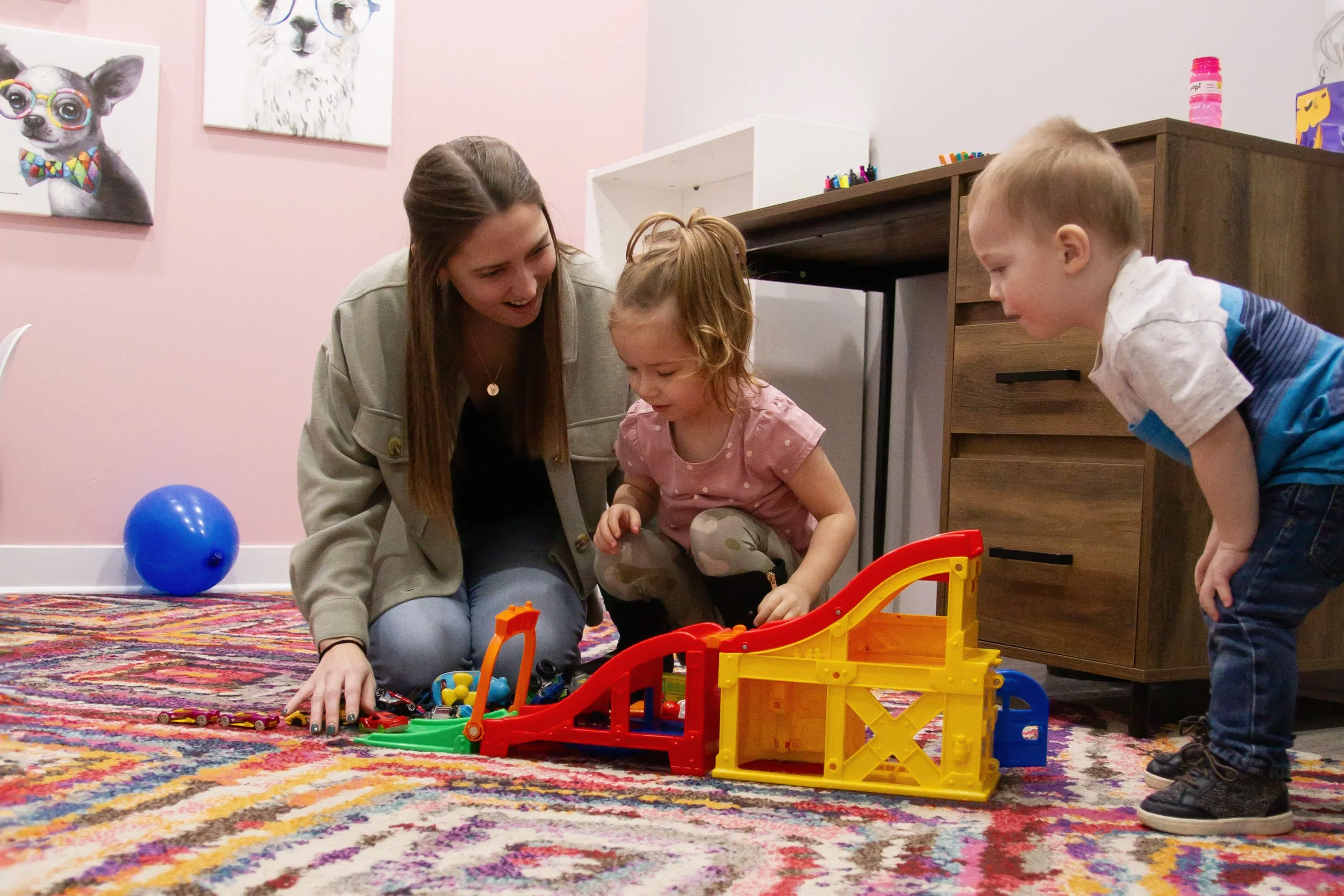
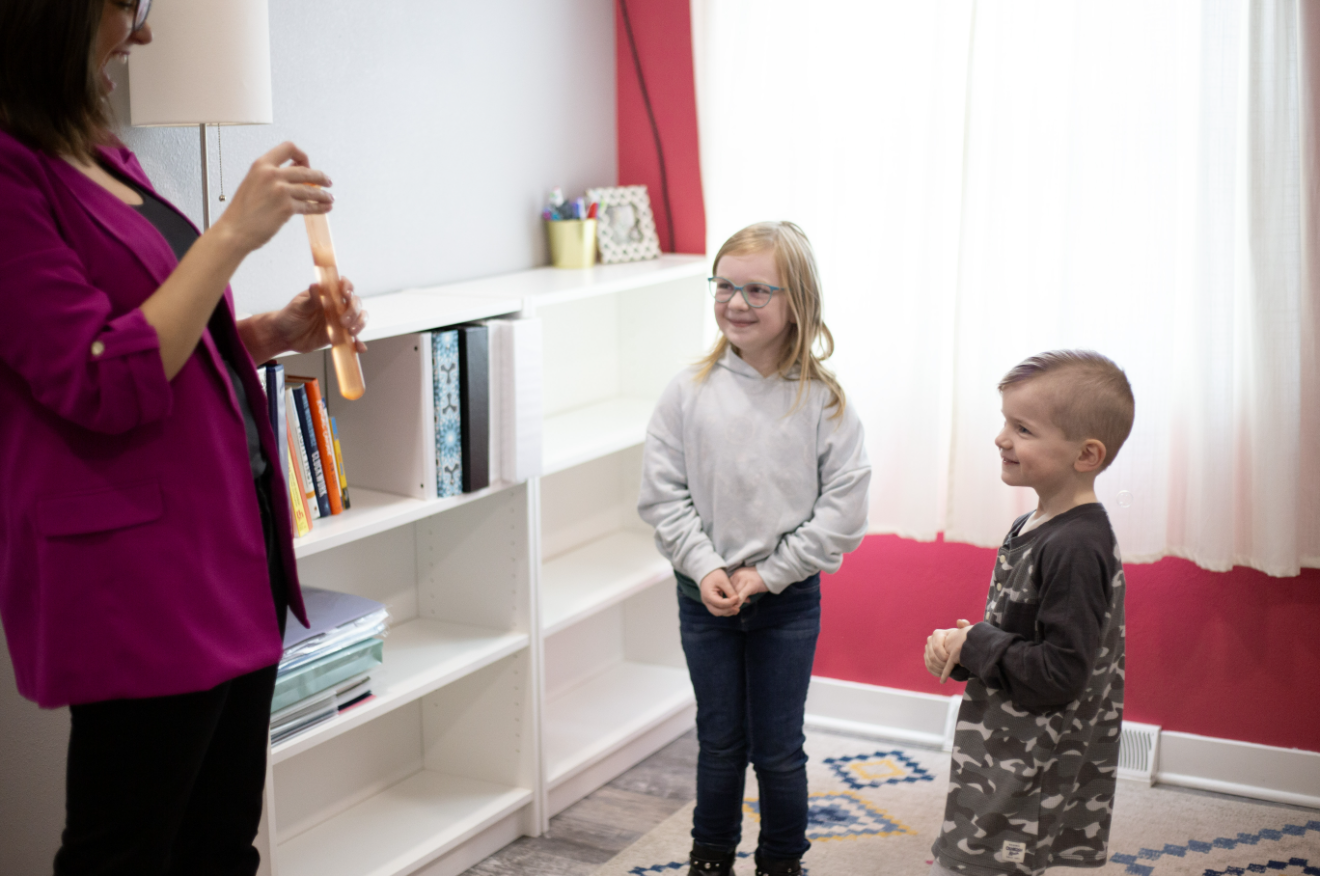

In-Clinic OT Services with Kid Power
An occupational therapist (OT) working with kids focuses on helping them develop the skills they need for daily life, independence, and social engagement. Some areas they work on include: